Pay in installments of $5.33 with
 ,
,
 and
and

Shipping Estimate
USA
- USA
- CAN
- USA
- CAN
Ships within 48 hours · Estimated delivery Jun 28 - Jul 3
 Promo Codes Available:
For Your Every Summer RSVP, with Code: SUMMER15
Description
succulent that looks like lettuce Chalk Lettuce 'Dudleya pulverulenta' - Fast DeliveryIntroducing the stunning Chalk lettuce, scientifically known as Dudleya pulverulenta, is an evergreen succulent native to Northern Baja California. It belongs to the Crassulaceae family and is highly valued for its low maintenance and drought tolerance. It is also known as Chalk Dudleya or Chalk Live Forever. The chalk lettuce gets its name from the powdery white dense coating, or "chalk," that covers its leaves. This chalky coating serves as a
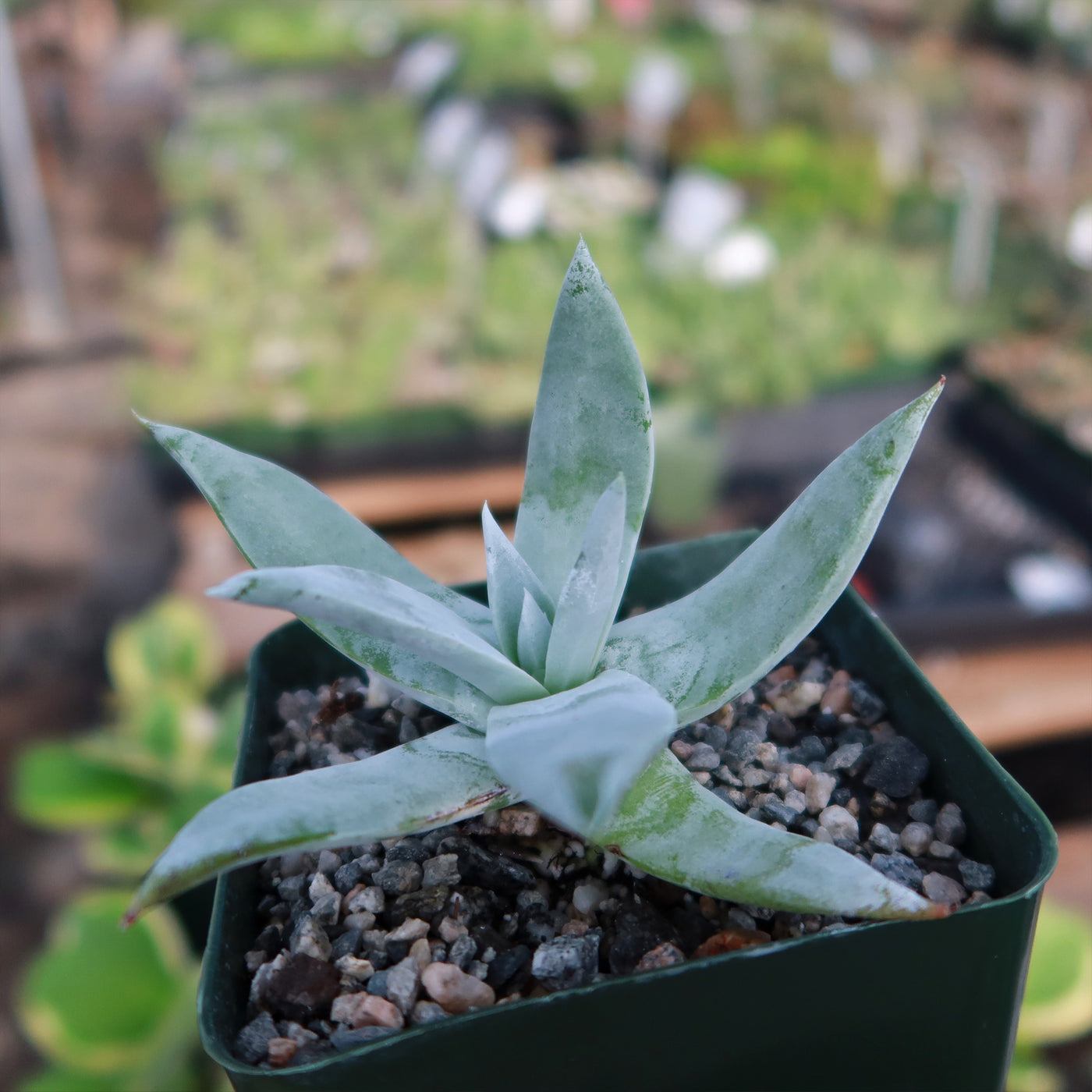
Introducing the stunning Chalk lettuce, scientifically known as Dudleya pulverulenta, is an evergreen succulent native to Northern Baja California. It belongs to the Crassulaceae family and is highly valued for its low maintenance and drought tolerance. It is also known as Chalk Dudleya or Chalk Live Forever.
The chalk lettuce gets its name from the powdery white dense coating, or "chalk," that covers its leaves. This chalky coating serves as a protective layer, helping your Dudleya succulent reflect sunlight and reduce water loss through evaporation. The leaves are typically fleshy and spoon-shaped and range in color from pale green to bluish-gray.
In terms of size, chalk lettuce can grow up to 12 inches tall and 18 inches wide, forming a rosette shape with its tightly clustered leaves. The Chalk lettuce growth habit is typically compact and low growing, making it an excellent choice for rock gardens, succulent arrangements, or a striking focal point in a container garden.
The flowers of the chalk Dudleya appear in clusters from the center of the rosette and add a vibrant burst of color to your Dudleya plant from late spring to early summer. Its star-shaped blooms can vary in color, ranging from shades of yellow to red. The chalk Dudleya reddish flowers attract pollinators such as bees and butterflies, making them not only visually appealing but also beneficial for the ecosystem.
As for propagation, chalk lettuce can be propagated through stem or leaf cuttings or by collecting and planting the seeds produced by its flowers.
Watering Needs
When it comes to watering your drought-tolerant chalk lettuce, it's important to strike a balance. While it can tolerate dry spells, it still requires some water to stay healthy. To meet the watering needs of your chalk lettuce, it's best to follow a "soak and dry" method. This means thoroughly watering your Dudleya succulent and allowing the soil to dry out completely before watering again.
During the active growing season, typically spring and summer, you can water your chalk lettuce once every two to three weeks or when the soil is completely dry. However, it's crucial to adjust your watering frequency based on factors such as weather conditions, temperature, and the type of soil your plant is growing in. This Dudleya plant can tolerate abundant winter and spring irrigation but prefers planting at an angle and avoids overhead irrigation in the summer. It looks better with careful watering below the foliage.
If you notice the leaves of your Dudleya pulverulenta chalk liveforever becoming wrinkled or shriveled, it may be a sign that it needs more water. Instead, if the leaves appear mushy or discolored, it could indicate overwatering. Remember, it's always better to underwater than to overwater your chalk Dudleya.
Overwatering can lead to root rot and other issues. So, be mindful of the watering needs of your plant and give it a good drink when the soil is dry. With proper watering, your Dudleya plant will thrive and continue to delight you with its unique beauty!
Light Requirement
The Chalk lettuce Dudleya pulverulenta, thrives in bright full sun exposure to partial shade. It enjoys being in a spot where it can receive 4-6 hours of sunlight each day. However, it's important to protect it from intense, direct sunlight, especially during the hottest parts of the day.
To provide the ideal light conditions for your chalk lettuce, place it near a window that receives bright, filtered light. A south-facing or west-facing window is often a great choice. If you're growing your Dudleya succulent indoors, you can also consider using a grow light to supplement the natural light it receives.
Keep in mind that the amount of light your chalk Dudleya receives can impact its growth and overall health. Insufficient light may cause the Dudleya plant to become elongated and leggy, while too much direct sunlight can lead to sunburn and leaf damage.
Observing your Dudleya plant response to light is key. If the leaves start to stretch or lose their vibrant color, it may indicate that your succulent needs more light. On the other hand, if the leaves become pale or develop brown spots, it could be a sign of too much direct sunlight.
Optimal Soil & Fertilizer Needs
The Chalk lettuce favors very airy, sandy soil that drains well. Planting them in ordinary soil will result in compacted roots, stunted growth, and, most likely, root rot. Instead, make or buy a well-draining potting mix, or ideally, use our specialized succulent potting mixGo to soil cactus mix blend 1 gal 4 qt cacti succulent dirt compost growing media that contains 5 natural substrates and mycorrhizae to promote the development of a strong root system that helps your Dudleya succulent to thrive.
When it comes to fertilizing your chalk lettuce, it's important to go easy on the nutrients. This Dudleya succulent doesn't require frequent fertilization and can actually be sensitive to excess fertilizer. A general rule of thumb is to feed your chalk Dudleya with a balanced, water-soluble NPK fertilizer. Apply the fertilizer sparingly, usually once a year during the active growing season, typically in the spring.
Remember, chalk lettuce is adapted to survive in nutrient-poor soils, so it doesn't have high fertilizer requirements. Over-fertilization can lead to excessive growth and may even harm your dudleya plant. It's always better to err on the side of caution and under-fertilize rather than over-fertilize.
Hardiness Zone & More
The Chalk lettuce is native to regions with a Mediterranean climate, such as coastal California. The Dudleya plant is generally hardy in USDA hardiness zones 9 to 11. This means it can tolerate temperatures as low as 35°F.
In terms of temperature, the chalk Dudleya much hardier plant, can thrive in mild to warm conditions. It prefers temperatures ranging from 60°F to 80°F. It's important to protect the plant from frost and freezing temperatures, as prolonged exposure to cold can damage or even kill it.
As for humidity, the Dudleya pulverulenta is adapted to arid and semi-arid environments. It prefers low humidity levels and can tolerate dry air. However, it's important to provide adequate ventilation to prevent excessive humidity buildup, as this can lead to fungal diseases.
Overall, The chalk Dudleya, also known as chalk lettuce or Dudleya pulverulenta, is a stunning Dudleya succulent plant native to coastal California. It features rosettes of powdery blue-green leaves that give it a unique and eye-catching appearance. This Dudleya plant is generally hardy in USDA hardiness zones 9 to 11 and prefers mild to warm temperatures. It thrives in well-draining soil and requires minimal watering. The chalk Dudleya is a low-maintenance plant that adds a touch of beauty and elegance to any garden or indoor space. With its striking foliage and adaptability, it's definitely a succulent worth adding to your collection!
Give this Dudleya pulverulenta - Chalk lettuce succulent a try if you're looking for an easy plant to care for!
Shipping Notes
- Free Standard Shipping on $100+ Orders to the USA.
- Except Preorder products are shipped in 48 hours.
- Delivery to the USA:
- Standard Shipping : 3-10 business days
- If time is of the essence, please consider selecting expedited delivery for faster service.
Exchange/Return Notes
- We offer a 30-day return/exchange service after receiving.
- Final sale items are not eligible for returns or exchanges.
- To process your return/exchange, please contact us at [email protected]
- Please click here for more details>>> Return & Exchange Policy