 ,
,
 and
and

 Promo Codes Available:
Grow Your Own Bitter Melon Seeds: Full Sun Planting Bitter Gourd (Momordica charantia) – Classic Asian Bitter Gourd for Stir-Fries, Soups & Vertical Balcony Container Gardens Nationwide
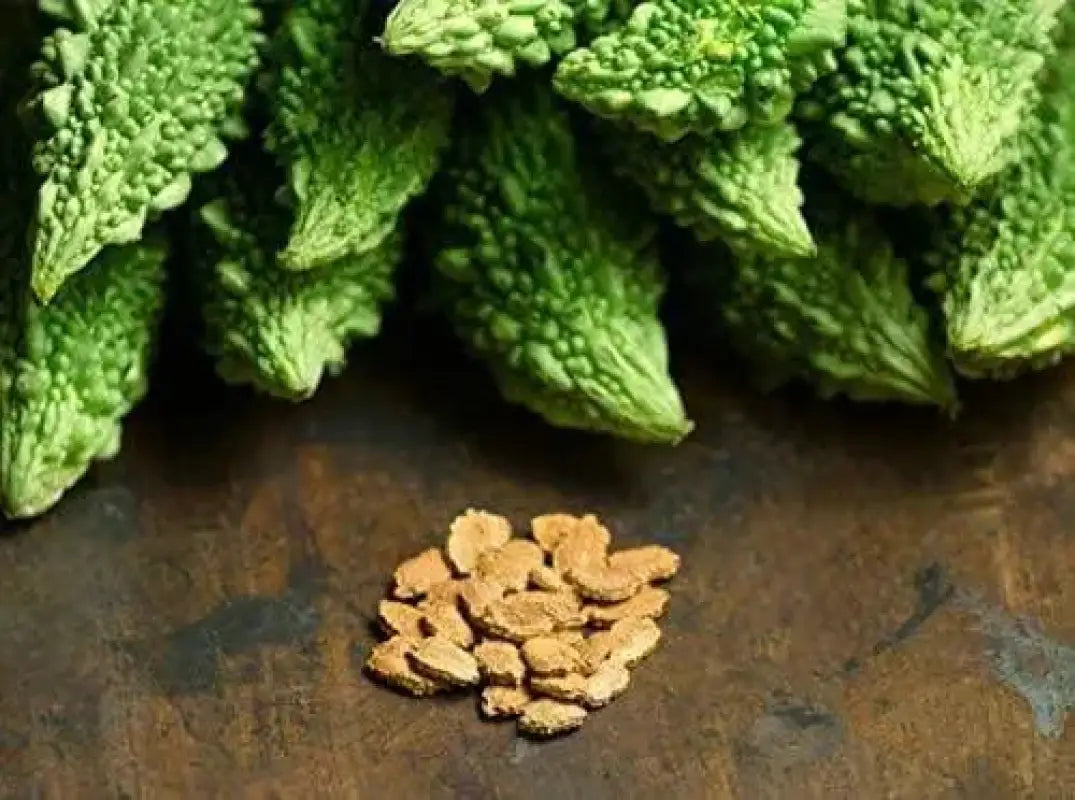
Bitter Melon (also known as Bitter Gourd, Karela, or Ampalaya) is a fast-growing tropical vine famous in Asian cuisine for its distinctive warty green fruit and bold, bittersweet flavor. Young fruits are packed with vitamins, fiber, and antioxidants and are traditionally stir-fried, stuffed, or added to soups and curries. The vigorous vines (8–15+ ft) are perfect for trellising on balconies, patios, or small vertical gardens.
This heat-loving vine thrives in full sun and produces abundantly once nights stay warm. In Chicago and cooler zones it grows as a productive summer annual; in warmer southern and coastal states it performs even better with the long hot season.
Step-by-Step Growing Guide (Seed to First Harvest in 60–80 Days)
-
Seed Prep & Sowing
Hard-coated seeds — soak in warm water 24 hours (or lightly scarify). Sow ½–1 inch deep in moist, well-draining potting mix. Germinates in 7–14 days at 75–85°F. - Nationwide timing tip: Start indoors 4–6 weeks before last frost. Chicago/Midwest/Northeast: mid to late March. South/Southwest/FL: direct sow March–April. West Coast: March–May.
-
Planting & Container Setup
Full sun (6–8+ hours) is essential for strong growth and maximum fruit production. Use large 10–15+ gallon pots or grow bags with a strong trellis, netting, or balcony railing. Rich, well-draining soil amended with compost. Space vines 2–3 ft apart. -
Germination & Early Care
Keep soil warm and evenly moist. Provide support as soon as vines start climbing. Light balanced fertilizer every 3–4 weeks; switch to high-potassium once flowering begins. -
Growth & Maintenance
Vines grow rapidly in full sun and produce yellow flowers followed by warty fruits. Hand-pollinate flowers in containers or low-insect areas for higher yields. Good airflow prevents mildew in humid climates. -
Harvesting
Pick fruits when 4–8 inches long and still bright green (before they turn orange and become very bitter). Harvest regularly — the more you pick, the more it produces!
Pro Tip for Every State: Grow vertically on strong trellises to save balcony space and create living privacy screens. Full sun is key for the best flavor and highest yields.
Easy Bitter Melon Recipes for Home Cooks
- Classic Stir-Fry: Slice young fruit and stir-fry with garlic, pork or shrimp, and black bean sauce.
- Stuffed Bitter Melon Soup: Hollow out and stuff with ground meat and herbs, then simmer in broth.
- Indian Karela Fry: Thinly slice, salt to reduce bitterness, then fry with spices and onions.
Important Note: Very frost-sensitive tropical vine. Bitter flavor is natural and traditional — many people develop a taste for it. Harvest young for milder bitterness.
Bitter Melon Seeds (Momordica charantia) – Detailed 50-State Sowing Calendar
Bitter Melon is a warm-season tropical vine that is extremely frost-sensitive and needs consistent heat and humidity to produce well. It germinates best when soil temperatures are 70–85°F and vines climb 8–15+ ft on strong support.
Key rules that apply to every state:
- Soak seeds in warm water 24 hours (or lightly scarify) before planting.
- Start indoors 4–6 weeks before your last spring frost date.
- Transplant or direct sow only after all danger of frost has passed and night temperatures stay reliably above 60°F (ideally 65°F+).
- Provide a sturdy trellis, netting, or balcony railing — vines are vigorous climbers.
- In USDA zones 9–11 it can often be direct-sown earlier.
Detailed 50-State Sowing Calendar (Grouped by Region for Easy Reading)
Dates are averages based on 50% probability last spring frost and typical conditions. Adjust ±7–10 days for your exact microclimate or elevation.
|
Region / States |
Indoor Start |
Transplant / Direct Sow |
Notes / Example Cities |
|
Northeast (ME, NH, VT, MA, RI, CT, NY, PA, NJ) |
March 20 – April 10 |
May 25 – June 15 |
New York City: Indoor early April → Transplant early June |
|
Midwest & Great Lakes (IL, IN, OH, MI, WI, MN, IA, MO, ND, SD, NE, KS) |
March 25 – April 15 |
May 20 – June 10 |
Chicago, IL: Indoor late March–early April → Transplant late May–early June |
|
Mid-Atlantic & Upper South (DE, MD, DC, VA, WV, KY, NC, TN) |
March 10 – April 1 |
May 15 – June 5 |
Washington DC: Indoor mid March → Transplant late May |
|
Southeast & Gulf (SC, GA, AL, MS, AR, LA, OK) |
Feb 25 – March 20 |
April 25 – May 20 |
Atlanta: Indoor early March → Transplant mid May |
|
Texas |
North: March 1–20 Central/South: Feb 15–March 10 |
North: mid April–early May Central/South: late March–mid April |
Dallas: Indoor mid March → Transplant mid April Houston: Direct sow March–April |
|
Florida |
North: Feb 1–March 1 Central/South: Jan–Feb |
North: March–April Central/South: Feb–April (year-round possible in south) |
Miami: Direct sow Feb onward |
|
Southwest (AZ, NM, UT, NV) |
Late Feb – mid March |
April 20 – May 15 |
Phoenix: Direct sow late Feb–March Flagstaff: Indoor March → Transplant May |
|
Mountain & Northern West (CO, ID, MT, WY) |
Late March – early April |
Late May – early June |
Denver: Indoor early April → Transplant late May–early June |
|
Pacific Northwest (WA, OR) |
Late March – early April |
Late May – early June |
Seattle: Indoor late March → Transplant late May–early June |
|
California |
Northern/Coastal: March 1–April 1 Southern/Inland: Feb 15–March 15 |
March–May |
Los Angeles: Direct sow Feb–April San Francisco: March–May |
|
Alaska |
Late April – May |
June (short season) |
Anchorage: Very short season — best as container plant |
|
Hawaii |
Not needed |
Year-round (best Feb–June) |
Honolulu: Direct sow any time; peak production in warmer months |
Pro Tips for Every State
- Chicago / Midwest / Northeast gardeners: Start indoors under grow lights in late March–early April for strong transplants ready around Memorial Day weekend. Use large 10–15+ gallon containers with sturdy trellising.
- Southern & Southwestern gardeners: Direct sowing works very well once nights stay reliably above 65°F. Provide consistent moisture to prevent fruit cracking.
- Container / balcony growers: 10–15+ gallon pots or grow bags with vertical support are perfect for urban spaces and easy to move during heat waves or cool snaps.
- Fall planning: In zones 9–11 you can sow a second round in late summer for fall harvests.
Bitter melon divides opinions—some love that sharp, medicinal bitterness; others need time to appreciate it. In hot climates, these vigorous vines scramble over trellises and fences, producing knobby fruits all summer.
Key Benefits
- 4 packs × 30 seeds (120 total) for extended planting
- Vigorous climbing vine; needs trellis support
- Distinctive warty green fruits
- Traditional ingredient in Asian and Caribbean cooking
- Thrives in hot weather (75–95°F / 24–35°C)
- Non-GMO, open-pollinated variety
How to Grow
- Soak seeds 24 hours before planting to speed germination
- Sow 1 cm (1/2 in) deep after last frost
- Space plants 45–60 cm (18–24 in) apart with trellis
- Full sun, consistent water, warm soil (21°C+ / 70°F+)
- Harvest when fruits are 15–20 cm, still green
Specifications
Quantity: 4 packs × 30 seeds (120 total). Variety: Bitter Melon (Momordica charantia). Type: Annual vine. Days to harvest: 55–70 from transplant. Vine length: 3–5 m (10–16 ft). Sun: Full sun. Soil: Rich, well-drained.
What's Included
- 4 seed packets (30 seeds each)
- Planting and growing guide
Care & Storage
Store unused seeds cool and dry. Bitter melon needs warm conditions—start indoors in cool climates. Provide sturdy trellis for best fruit quality and easier harvest.
Key Terms
- Momordica charantia — Bitter melon/bitter gourd; tropical vine with warty, bitter fruits
- Khổ qua — Vietnamese name for bitter melon; used in soups and stir-fries
- Karela — Hindi name for bitter melon; common in Indian cuisine
Slicing bitter melon for soup—that green, grassy bitterness filling the kitchen with memories of home cooking.