Pay in installments of $5.15 with
 ,
,
 and
and

Shipping Estimate
USA
- USA
- CAN
- USA
- CAN
Ships within 48 hours · Estimated delivery Jun 29 - Jul 4
 Promo Codes Available:
For Your Every Summer RSVP, with Code: SUMMER15
Description
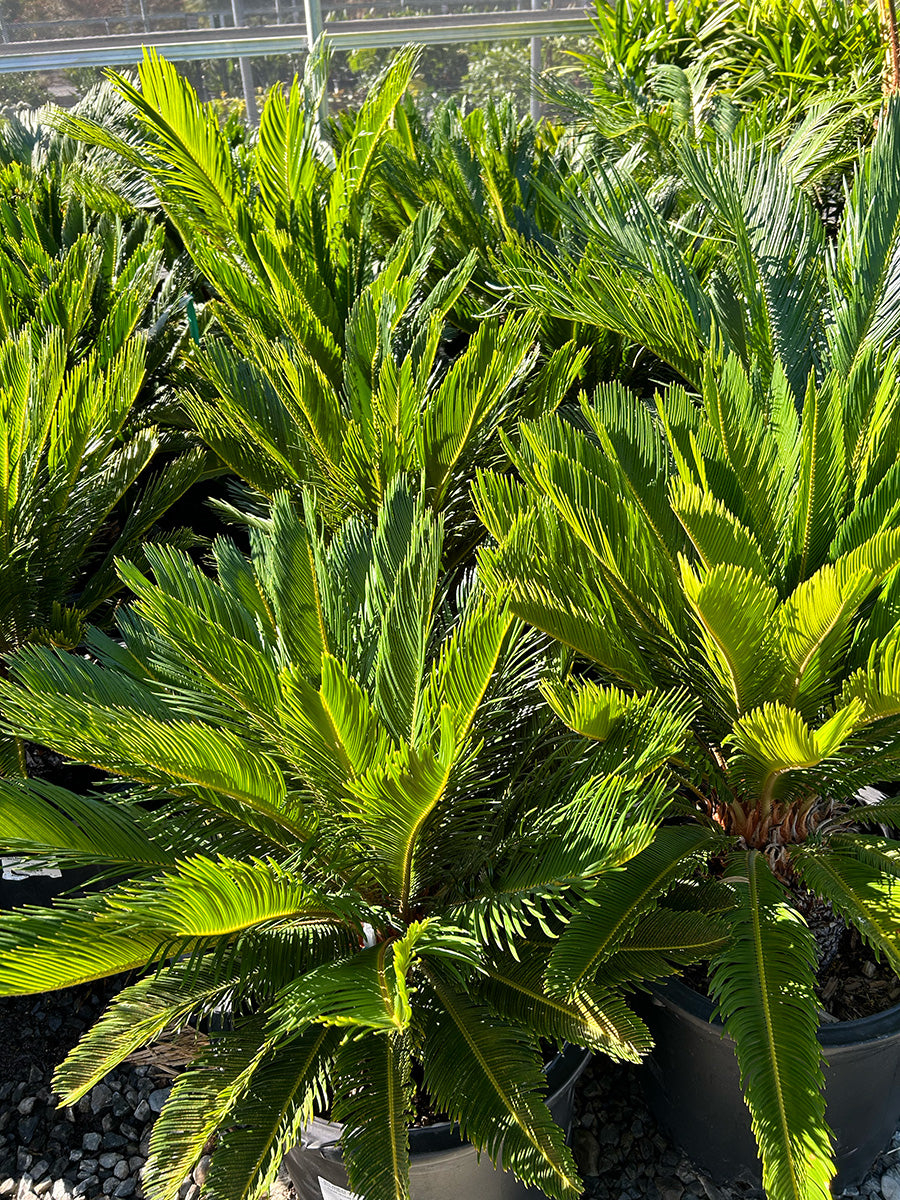
sago palm cycas plant Cycas revoluta (Sago Palm)Ancient Beauty That Transforms Any Space Into a Tropical Paradise Cycas revoluta gives you the bold, tropical look of a palm with the durability and ancient character of a cycad. Commonly called the sago palm, japanese sago palm, or king sago palm, this palm like evergreen perennial creates a sculptural focal point indoors, on patios, or in warm climate landscapes without actually being a true palm. Its deep green, arching pinnate leaves rise from an
Ancient Beauty That Transforms Any Space Into a Tropical Paradise
Cycas revoluta gives you the bold, tropical look of a palm with the durability and ancient character of a cycad. Commonly called the sago palm, japanese sago palm, or king sago palm, this palm like evergreen perennial creates a sculptural focal point indoors, on patios, or in warm-climate landscapes-without actually being a true palm.
Its deep green, arching pinnate leaves rise from an upright woody trunk in a feather like rosette, giving any space an exotic, architectural presence. As a member of the cycad family, Cycas revoluta is more closely related to ancient gymnosperms such as conifers than to palms, making it an ornamental plant with genuine prehistoric appeal.
Why You’ll Love It
-
Effortless long-term structure – Sago Palms can grow to a height of 3 to 10 feet and are very slow-growing, often taking decades to reach their mature height.
-
Minimal repotting stress – The Sago Palm’s growth is so slow that it typically requires repotting only every 2 to 3 years.
-
Low watering pressure – Once established, Sago Palms are resilient to hot climates and drought conditions.
-
Instant tropical elegance – The Sago Palm features an upright, woody trunk with a crown of stiff, feather-like pinnate leaves arranged in a rosette pattern.
-
Living history in your home – Sago Palms are extremely long-lived, with some specimens having a lifespan of over 200 years.
This is a plant for people who want presence, not constant fuss. Sago palms grow slowly, hold their shape beautifully, and bring dramatic foliage to containers, rock gardens, courtyards, and bright interiors.
The slow growth is part of the appeal. The Sago Palm can take decades to reach its full size, with some plants only producing one new leaf each year. That means less pruning, less size management, and more time enjoying a plant that feels permanent.
What Makes It Different
Most houseplants demand frequent watering, rapid repotting, regular pruning, or constant adjustment to keep them looking good.
Cycas Revoluta (Sago Palm) provides:
-
A true cycad, not a palm – Although it has a palm like appearance, Cycas revoluta belongs to the cycad family and is not closely related to true palms.
-
Separate male and female plants – Sago Palms are dioecious, meaning they have separate male and female plants.
-
Distinct reproductive character – Male plants can form cone-like ovoid inflorescences, while female plants produce seed on modified leaves rather than flowers.
-
Extremely slow growing – Sago Palms (Cycas revoluta) have a very slow growth rate, typically reaching a height of 2 meters and a spread of 1.5 meters when mature.
-
Long-lived landscape value – Sago Palms can become massive landscape features over time, often living for over 100 years.
Unlike faster tropical foliage plants, this cycad changes gradually. Young plants may sit at a compact size for years, while mature plants develop a thick trunk, spiny tipped leaf bases, and a circular pattern of new leaves that unfolds slowly from the center.
It also stands apart botanically from related species such as Cycas miquelii and Cycas taitungensis. The genus name Cycas reflects a group of ancient seed plants, and Cycas revoluta is especially prized because its revolute edges, glossy foliage, and symmetrical crown make it highly decorative.
How To Grow Cycas Revoluta Successfully
-
Place it in bright light Position your sago palm near a window with bright, indirect light. It can handle some direct morning sun, and outdoors it can thrive in full sun or partial shade once acclimated. Avoid sudden exposure to harsh direct sunlight if the plant was previously grown indoors.
-
Water only when the soil is ready Let the top half of the soil dry before watering. Sago Palms require consistent moisture but are drought-tolerant once established and are sensitive to root rot due to poor drainage.
-
Use the right soil and container Plant in sandy, loamy, well draining soil with good drainage. A chunky mix with organic matter, coarse sand, or perlite helps protect the roots. Containers must have drainage holes because poorly drained soil can quickly lead to root rot.
-
Feed during the growing season Fertilize Sago Palms with a slow-release fertilizer once in the spring and once in the summer to promote healthy growth. Early spring feeding supports new growth, especially when new leaves begin forming at the crown.
-
Maintain the rosette Prune away any dead or yellowing fronds to reduce stress on the plant and promote new growth. Wear gloves when handling the leaf bases because the foliage can be stiff, sharp, and spiny tipped.
For established outdoor plants grown for flowering performance, Sago Palms need to be watered approximately 50 to 60 liters once a month to achieve optimal flowering. Indoor plants usually need far less water, depending on pot size, soil, humidity, and temperature.
Plant Details
-
Scientific name: Cycas revoluta
-
Common names: sago palm, japanese sago palm, king sago palm
-
Plant type: Palm like evergreen perennial cycad
-
Family: Cycad family, Cycadaceae
-
Mature size: 3-10 feet tall and wide indoors or in containers over a long period
-
Mature metric size: Sago Palms (Cycas revoluta) typically reach a height of 2 meters and a spread of 1.5 meters when mature
-
Young plant size: Young Sago Palms can be around 0.5 meters in height with a spread of 1 meter, while mature specimens can take many years to reach their full size
-
Growth rate: Very slow, often 1-2 leaves per year and sometimes only one new leaf each year
-
Lifespan: Sago Palms exhibit a lifespan that often exceeds decades, making them long-lived additions to landscapes
-
Maximum longevity: Some specimens have a lifespan of over 200 years
-
Leaf form: Deep green, stiff, arching pinnate leaves with revolute edges
-
Trunk: Upright, woody trunk with a crown of foliage in a rosette pattern
-
Light requirements: Bright indirect light, bright light, full sun, or partial shade depending on location and acclimation
-
Soil needs: Sandy, loamy, well-drained soils with an acidic to neutral pH
-
Drainage: Requires good drainage and drainage holes in containers to prevent root rot
-
Hardiness: Hardy in USDA Zones 9–10, often grown as an outdoor plant in warm climates and grown indoors elsewhere
-
Cold tolerance: Sago Palms can tolerate brief periods of cold but suffer frost damage and cannot survive temperatures below 15°F
-
Drought tolerance: Drought tolerant once established
-
Propagation: Sago Palms (Cycas revoluta) can be propagated by seeds or by removing offsets, which are young shoots attached to the mature plant
-
Offset propagation: To propagate Sago Palms from offsets, carefully remove the offsets from the parent plant, ensuring each has some leaves and roots, and then plant them in well-draining soil
-
Seed propagation: Seed propagation of Sago Palms is possible, but it is rare for these plants to produce seeds in cultivation, making offsets the more common method of propagation
-
Garden use: The Sago Palm is often used as a focal point in gardens due to its unique, sculptural shape and is suitable for container gardening and bonsai
-
Caution: Not pet safe; all parts are toxic if ingested
Cycas revoluta is native to southern Japan, including the Ryukyu Islands. Historically, some cultures processed the plant for sago or edible starch, but the material had to be carefully washed because the plant contains dangerous toxins. It should never be treated as an edible houseplant.
Watch for scale insects, especially cycad scale, and spider mites in dry air. Check the underside of each leaf, the soil surface, and the trunk regularly, especially on smaller plants newly brought home from nurseries.
Who It’s For
Ideal for:
-
Busy professionals who want a dramatic plant without daily watering
-
Collectors seeking a prehistoric specimen with botanical value
-
Homeowners who want a sculptural focal point for living rooms, patios, containers, or rock gardens
-
Gardeners in warm usda zones who want an outdoor plant with long-term structure
-
Plant lovers who appreciate slow growth, deep green foliage, and low-maintenance tropical style
If you want low-maintenance tropical beauty that lasts for decades, Cycas revoluta fits beautifully.
It is not ideal for every household. Sago Palms (Cycas revoluta) are highly toxic to both humans and pets, with all parts of the plant containing cycasin, a potent toxin. The seeds of the Sago Palm contain the highest concentration of cycasin, making them particularly dangerous if ingested.
Choose this plant only if you can keep it away from curious pets and children. Ingestion of Sago Palm can lead to severe symptoms such as vomiting, diarrhea, weakness, seizures, and liver failure, with a fatality rate of 50 to 75% for pets.
Frequently Asked Questions
Is it safe around pets and children?
No. Cycas revoluta is not pet safe. All parts of the plant are toxic, and seeds are especially dangerous. Ingestion can cause vomiting, diarrhea, weakness, seizures, liver failure, permanent internal damage, and potentially fatal outcomes in pets.
How often should I water it?
Water when the top half of the soil has dried. Sago Palms prefer well-drained soil and require good drainage to prevent root rot. Once established, they are drought tolerant, but they should not sit in wet, poorly drained soil.
Why are the leaves turning yellow?
Yellowing can come from normal aging, overwatering, poor drainage, nutrient deficiency, frost damage, or low light. Remove dead or yellowing fronds, check the soil, and make sure the plant receives bright light without sudden harsh direct sun.
Can it grow outdoors?
Yes, in warm climates. Sago Palms thrive in full sun or partial shade and are drought-tolerant, making them suitable for a variety of growing conditions. They are hardy in USDA Zones 9–10, tolerate temperatures only briefly near cold limits, and cannot survive temperatures below 15°F.
Will it produce seeds indoors?
Usually not. Male and female plants are separate, so seed production requires mature male and female plants. Mature plants may produce reproductive structures, but it is rare for cultivated indoor plants to produce seed.
How do I propagate it?
The most common method is removing offsets from the parent plant. Seed propagation is possible, but because cultivated plants rarely produce seeds, offsets are the practical choice for most growers.
Ready to Add Prehistoric Beauty?
Choose Cycas Revoluta (Sago Palm) and experience ancient elegance, sculptural foliage, and slow growing beauty that can remain part of your space for decades. Add it to a bright room, a protected patio, a container display, or a warm-climate garden-and treat it as a long-term investment in living prehistoric art.
Shipping Notes
- Free Standard Shipping on $100+ Orders to the USA.
- Except Preorder products are shipped in 48 hours.
- Delivery to the USA:
- Standard Shipping : 3-10 business days
- If time is of the essence, please consider selecting expedited delivery for faster service.
Exchange/Return Notes
- We offer a 30-day return/exchange service after receiving.
- Final sale items are not eligible for returns or exchanges.
- To process your return/exchange, please contact us at [email protected]
- Please click here for more details>>> Return & Exchange Policy